An online reading group I frequent recently blew up over a book that ended with a (dreaded) cliffhanger. As much as authors seems to love them, readers I talk to hate the idea of not knowing how the story ends. I admit, ambiguity makes me nervous. My own real life is filled with it right now. Politics shifting my day job in slippery ways, questions about family members, hurricanes, and the possibility of a move means I’ve got a lot of cliffhangers going on.
It’s exhausting, and there’s nothing better for me than to escape into a book. I’m reading recommendations from friends, but only after pestering them to death about the ending. I hate reading books that don’t have a happy ending. I don’t need every page to be sweetness and light, and I certainly don’t want a story with some tension and hurt, but in the end, everything needs to be all right.
If I was reading to learn something or reading about a historic period, I could understand a downer ending. That’s real life. But I read for pleasure. When I’m not editing or on a writing jag, I finish three novels a week. If I wasn’t careful, I could pack a lot of depressing stories into my head, which is exactly what I don’t want.
I promise my books will always feature an upbeat ending. People won’t be perfectly healed millionaires without a care in the world, but they will be hopeful, happy, and ready to take on what’s next. Before you chastise me for being unrealistic, I’d like to point out that my world contains vampires, witches, and ghosts. If you can handle that much fantasy, the idea of a happy ending shouldn’t be impossible.
Of course, a happy ending doesn’t mean there were never any problems along the way. I’m in the midst of copy edits for the next Mallory book and I can assure you all of the characters face challenges. Relationships have ups and downs; a couple even break up entirely. There are bad days at work, and fights at home. But in the end things are all right, or maybe they’re going to be all right despite everything.
Without realizing it, I ended this book with a party, just like Fire in Her Blood ended with a party. My YA book, The Mermaid and the Murders, also ended with a party. While the party came a few chapters from the end of Under a Blood Moon…yep, it’s a pattern. I’m not sure if I’ll worry about correcting it though – the good times in life should be celebrated. Small celebrations for hitting some goal, big celebrations for big events, and quiet celebrations that no one else knows about remind us that good things happen. They help us mark the good times and give us joyful memories to sweeten the hard times.
Because there are hard times – ugly times when we can’t face another day and we don’t know what’s going to come next. And you’ll find those in my books, but not, I promise, at the end.
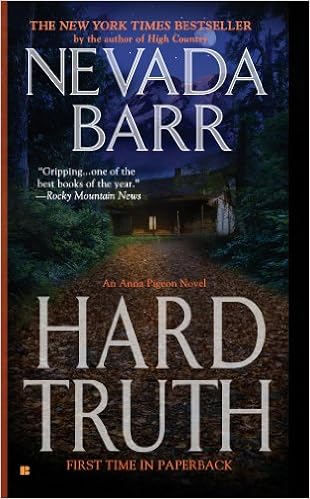 and it wasn’t until the next day that I realized this book helped fulfill my goal of reading more books with disabled characters.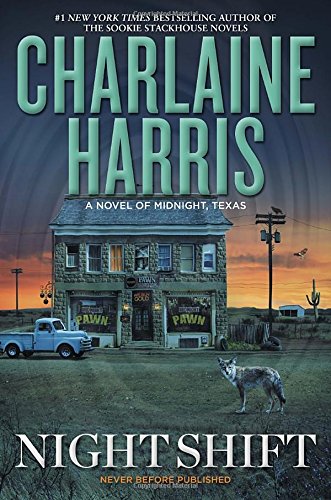
 Each book brings the townspeople together to confront a ‘big bad’. The big bads range from the mundane to the almost unbelievable but the battles and confrontations always ring true. The very small town functions as a sort of extended family – a diverse family with people of various colors, sexualities, and ages who all want to keep to themselves. That never works, and each book shows us another towns-person having to reveal secrets or share parts of their past they hoped would never come to light.
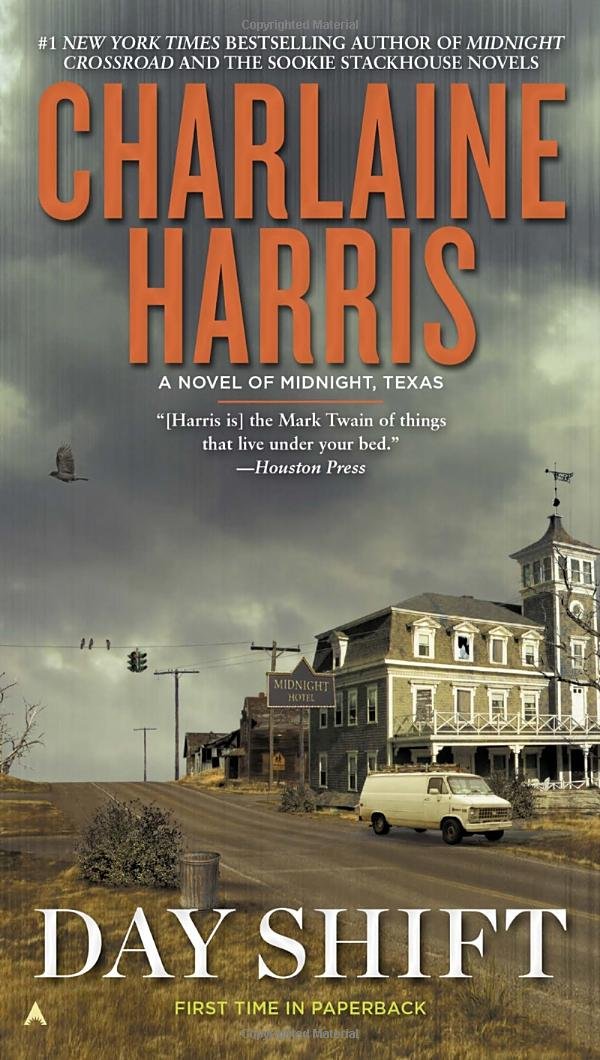 When I ran into another Charlaine Harris fan at my local book store we enjoyed a good long talk about all the hidden references to other books. The stories do stand on their own though. I had no idea the pawnshop owner came from another book series – one Harris wrote that doesn’t have any supernatural aspects. I’d never read any of those books, but the character still felt fully developed.


 I adore the Timothy Wilde series by Lyndsay Faye. It’s a great set of mysteries that teaches you more than a little about the history of the New York police department. It’s also a wonderful showcase for minorities including a main character with mental health issues. (warning this blog post has all sorts of spoilers for the series)
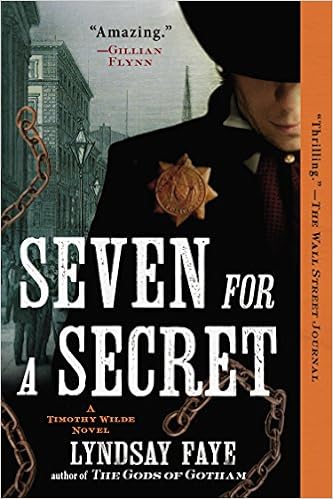 The first mystery, The Gods of Gotham, centers on a series of kidnappings where the victims are Catholic children forced to work as prostitutes. One of the children, Birdie, survives to become a part of Timothy’s life and her past is handled beautifully. In the third book as she starts dating, Timothy acts as an ersatz-father. He behaves exactly as any father would, without ever blaming or shaming her for her past.
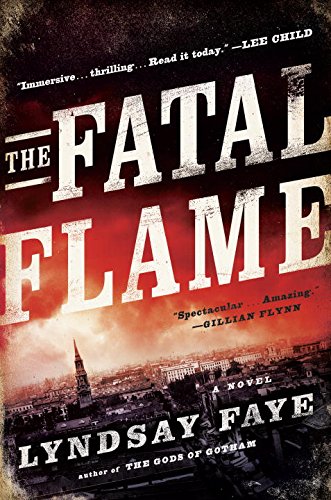 The final novel, The Fatal Flame, brings Mercy’s mental illness to center as she and Timothy work together to solve a series of arsons. Mercy has taken in an orphan who is also mentally disabled; despite this the girl might be the key to solving the mystery. More importantly she’s a wonderfully developed character. The book is stuffed with them actually: sex workers who aren’t vilified or defined by their profession, recent immigrants who aren’t stupid despite not being assimilated yet, and as many different ethnicities and religions as there were in New York in the 1840s.